Cute Happy Smile SVG: A Versatile Design Asset for Every Creator
More Than Just a Graphic: The Personality Behind the Design
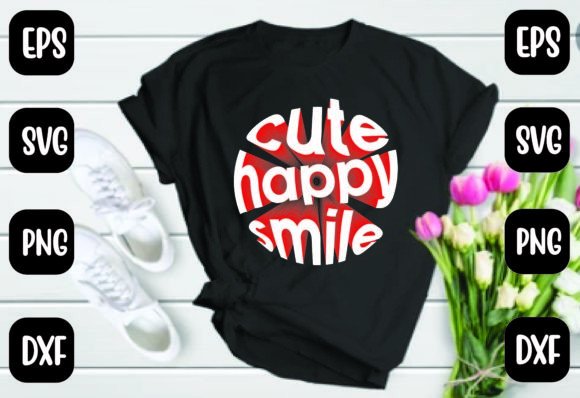
When you first encounter the Cute Happy Smile SVG Graphic Design, it’s easy to see why it resonates so quickly. This isn’t a complex illustration or a heavy typographic statement; it is a distilled expression of positivity. Visually, the design relies on clean, smooth vector lines that define a universally understood symbol of happiness. The style is intentionally minimal yet expressive, striking a balance between modern simplicity and playful charm. It avoids the harsh edges of geometric precision, instead opting for soft curves that feel organic and approachable. This visual personality makes it incredibly versatile. It doesn’t demand attention through complexity but rather draws the viewer in through its warmth and clarity.
For designers and brand strategists, the appeal lies in its neutrality. A "happy smile" is a foundational element of human connection. Unlike a highly stylized illustration that might pigeonhole a brand into a specific niche—like retro or cyberpunk—this graphic operates on a broader emotional spectrum. It feels contemporary without being trendy, ensuring that a project you use it on today won’t feel dated in six months. The visual weight is light enough to serve as a background texture or a subtle icon, yet bold enough to anchor a simple logo design or social media graphic. It’s a piece of design assets that functions as a visual shorthand for positivity, making it an essential addition to any creative toolkit.
Strategic Applications: From Brand Identity to Physical Products
The true value of a versatile design asset like this is measured by its utility across different mediums. In the realm of brand identity, the Cute Happy Smile SVG Graphic Design can serve as a cornerstone for businesses in the wellness, lifestyle, children’s, or service industries. Imagine a boutique coffee shop using it as a subtle watermark on their menus, or a fitness app incorporating it into their UI to celebrate user milestones. Because the file is delivered as a vector (SVG, EPS, DXF) and a high-resolution PNG, it scales perfectly. You can use the vector format for massive banners or the PNG for digital web design without losing quality.
For entrepreneurs and small business owners, the practical applications extend heavily into packaging design and merchandise. The prompt mentions compatibility with cutting machines like Cricut and Silhouette, which opens up a world of physical production. This is where the design moves from the screen to the hand. Consider these specific use cases:
- Apparel and Merchandise: The design works exceptionally well for T-shirts, tote bags, and mugs. On a T-shirt, it can be centered on the chest for a bold statement or placed on a sleeve for a subtle, modern typography-inspired placement. Because the background is transparent in the PNG file, layering it over colored fabrics is seamless.
- Editorial and Publishing: For bloggers and content creators, this graphic is perfect for breaking up text-heavy layouts. It can act as a decorative divider in a newsletter or a playful icon in a magazine layout. It adds a human touch to editorial design without distracting from the written content.
- Event Decorations and Greeting Cards: The "happy" nature of the graphic makes it ideal for invitations, birthday cards, and party decorations. Whether you are crafting a physical scrapbook or designing a digital invitation, the SVG format ensures crisp cuts for paper crafting and vinyl decals.
Marketing professionals will also find value in using this asset for social media graphics. In a crowded feed, a simple, positive visual can stop the scroll. It can be used as a sticker in Instagram Stories, a reaction button on a website, or a background pattern for quote cards. The consistency of using this specific graphic across different platforms helps build visual recognition, reinforcing the brand's friendly and approachable persona.
Practical Workflow: Integrating the SVG into Your Projects
Adopting a new design asset requires a practical workflow to ensure it enhances rather than clutters your projects. The first step is evaluating the file formats included in the ZIP folder. The SVG file is your primary tool for scalability and editing in software like Adobe Illustrator or Inkscape. The DXF file is specifically optimized for Silhouette machines, while the EPS file offers broad compatibility with professional printing workflows. The PNG file at 300 DPI is your ready-to-use option for web and quick print jobs where editing the vectors isn't necessary.
When it comes to font pairing—even though this is a graphic, the principle of visual hierarchy applies—the smile acts as a focal point. If you are placing text alongside it, choose typefaces that don't compete. A clean sans serif font works well for a modern, corporate look, while a handwritten font can amplify the playful, casual vibe. Avoid pairing it with overly decorative serif fonts or complex script fonts, as this can create visual noise. The goal is to let the graphic breathe.
Finally, consider the context of the color palette. The design is a premium font